
Ultimate Foundation Repair Products For Safe and Secure Homes
Explore comprehensive solutions that help restore safety and prevent future foundation issues with ease.
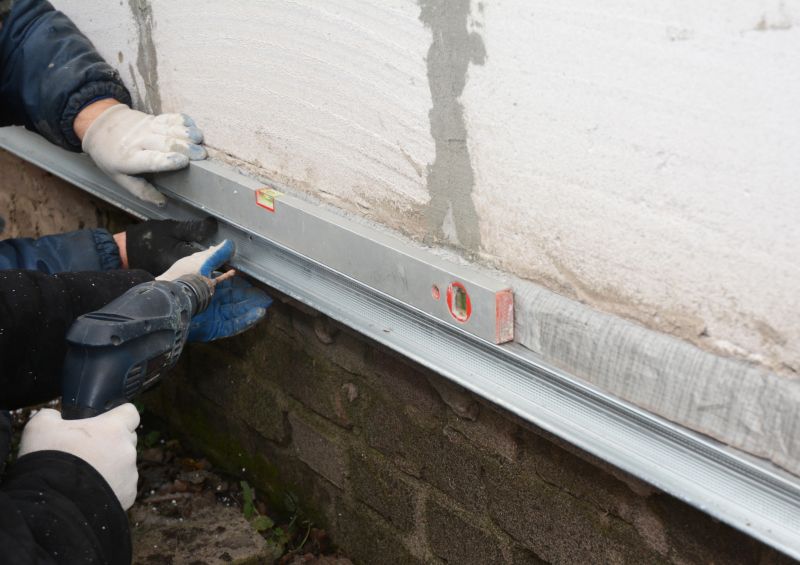 Foundation repairs are a critical aspect of maintaining the structural integrity of a building, especially in areas like Fort Wayne, IN, where soil conditions can vary significantly. When addressing foundation issues, selecting the right products is essential for effective and lasting solutions. From underpinning systems to stabilization devices, the market offers a wide array of options designed to suit different types of foundation problems. Proper identification of the specific issue, whether it involves shifting, cracking, or settling, can help determine the most appropriate products to use.
Top Overall Option
Polyurethane Foam Injection System
Polyurethane foam injection systems are versatile and minimally invasive options for addressing foundation settlement and void filling. They expand upon application to lift and stabilize the foundation, making them suitable for various repair scenarios. These systems are known for their quick curing times and ability to conform to uneven surfaces, providing a reliable solution for many types of foundation issues.
Types of Products For Foundation Repairs
Carbon Fiber Reinforcement Straps
Used to reinforce cracked walls and prevent further movement, these straps are applied to interior or exterior surfaces to add strength.
Piering Systems
Piering involves installing support piers beneath the foundation to lift and stabilize it, suitable for severe settlement issues.
Mudjacking and Slab Jacking
This method involves injecting a slurry beneath concrete slabs to lift and level sunken areas, often used for driveways and walkways.
Epoxy Injection Kits
Designed to fill cracks and bond broken concrete, epoxy injections help restore integrity and prevent water intrusion.
Helical Piles
These deep foundation supports are screwed into the ground to provide stability for structures with poor soil conditions.
Soil Stabilization Products
Chemical or mechanical solutions used to improve soil bearing capacity and reduce settlement.
Underpinning Piers
Supports installed beneath existing foundations to transfer load to more stable soil layers.
Waterproofing Membranes
Applied to foundation walls to prevent water infiltration and reduce hydrostatic pressure.
Grout and Resin Fillers
Used to fill voids and cracks, providing additional support and sealing against moisture.
Foundation Anchors
Anchoring systems that stabilize bowing or leaning walls by securing them to stable soil or structures.
Concrete Patching Materials
Repair products for patching and sealing damaged or cracked concrete surfaces.
Drainage Systems
Drainage solutions that redirect water away from foundations to minimize soil erosion and pressure.
Vapor Barriers
Installed to control moisture vapor transmission and protect foundation walls.
Lifting Jack Posts
Temporary supports used during foundation lifting or stabilization procedures.
Grout Pumps
Equipment used to inject grout or foam into foundation voids or cracks.
Popular Choices
A popular choice for quick and minimally invasive foundation stabilization, suitable for various repair needs.
Widely used for crack stabilization and reinforcement of basement walls.
Commonly selected for settlements involving piering and underpinning solutions.
Favored for leveling concrete slabs with minimal disruption.
Popular for sealing cracks and restoring concrete integrity.
Chosen for their adaptability in supporting structures on challenging soil conditions.
Frequently used to prevent water ingress and protect foundation walls.
Effective in managing water flow around foundations, reducing hydrostatic pressure.
Commonly installed to stabilize bowing or leaning basement walls.
Installed to control moisture vapor and protect foundation surfaces.
Used for quick repairs of surface cracks and damages.
Selected for improving soil bearing capacity in problematic areas.
Used temporarily during lifting and stabilization procedures.
Popular for filling voids and sealing cracks.
Installed to improve drainage around foundations.
Foundation repair products are typically engineered to reinforce, stabilize, or lift a compromised foundation. These products are often used by professionals but are also accessible to knowledgeable homeowners seeking DIY solutions. Understanding the different types of products available can aid in making informed decisions that align with the severity and nature of the foundation concern.
In Fort Wayne, IN, where local soil and climate conditions influence foundation health, choosing durable and adaptable repair products is particularly important. Consulting with a foundation specialist can provide insights into the most suitable options for your specific situation. Whether you are addressing minor cracks or more significant structural issues, the right products can help restore stability and prevent further damage, ultimately preserving the safety and value of your property.
Investing in quality foundation repair products, combined with professional guidance, can contribute to a more secure and long-lasting solution. Proper installation and maintenance are equally important to ensure the effectiveness of these products over time. By understanding the available options and considerations, property owners in Fort Wayne can approach foundation repairs with confidence and clarity.
Key Buying Considerations
- Assess the specific foundation issue to determine the most suitable product type.
- Consider the severity and extent of foundation movement or cracking.
- Evaluate the soil conditions and how they influence foundation stability.
- Check for compatibility of repair products with existing foundation materials.
- Determine whether professional installation is recommended or if DIY is feasible.
- Review the longevity and durability of the repair products under local climate conditions.
- Consider the ease of application and curing times for different products.
- Identify if waterproofing or moisture control features are necessary for your situation.
- Ensure that the products meet local building codes and standards.
- Evaluate the potential for future repairs and the ease of maintenance.
- Research the reputation and reviews of product manufacturers or suppliers.
- Estimate the overall cost, including installation and potential follow-up work.
- Look into warranty or guarantee options for the repair products.
- Consider environmental factors such as soil type and water table levels.
- Assess the accessibility of the repair site to determine equipment needs.